
Learn how to transform your customer interactions by mastering the fundamentals of Interactive Voice Response (IVR). In today’s fast-paced business environment, an effective contact strategy is not just a luxury; it is a necessity. Discover how an automated voice messaging system can streamline your operations, reduce overhead, and provide your callers with the immediate assistance they crave.
Imagine you are given the task of managing a sudden surge in call volume without hiring additional staff. Well, it can provide some real pressure! This is where IVR messaging steps in as your digital receptionist, working 24/7 to ensure no caller is left in the dark. Explore the essential components of IVR and see how it can become the backbone of your communication strategy.
Explore the Power of an Automated Voice Messaging System
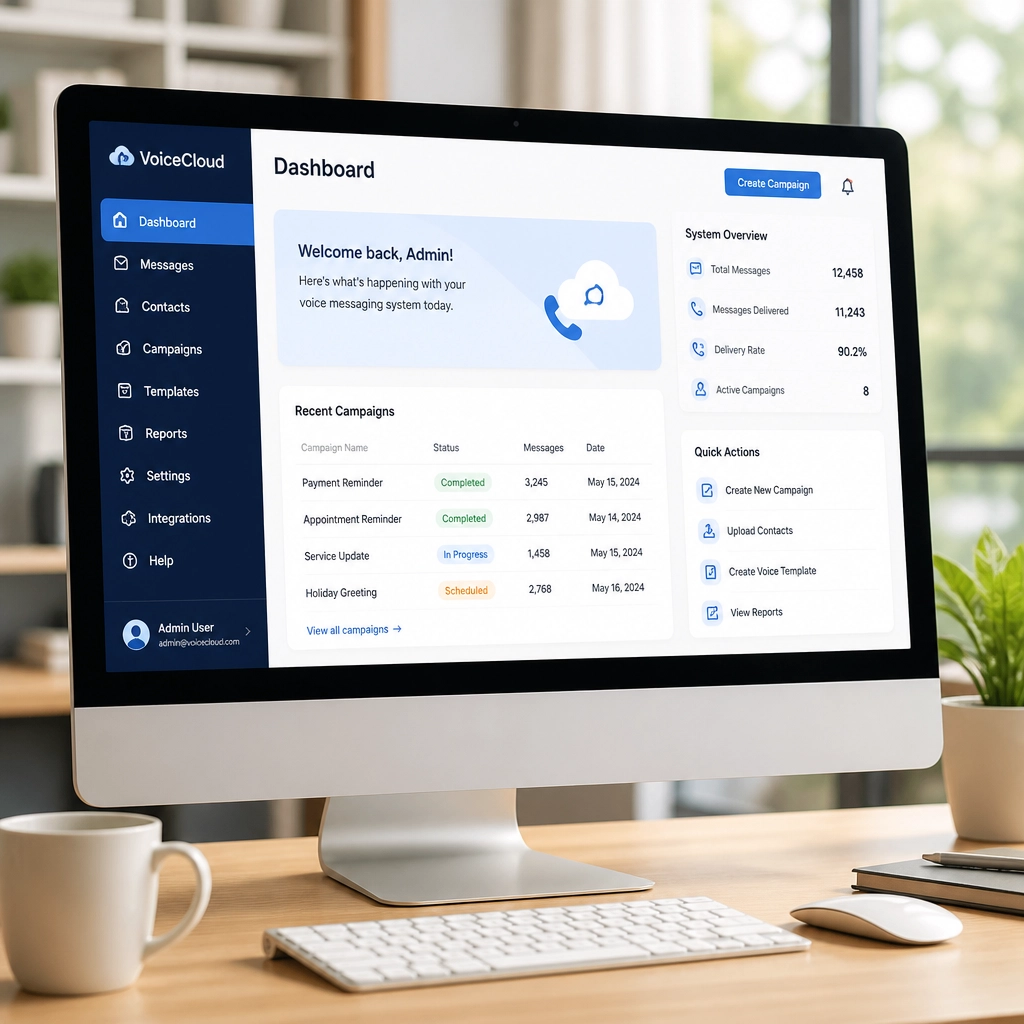 An automated voice messaging system is a technology that allows humans to interact with a computer-operated phone system through the use of voice and DTMF tones input via a keypad. While many people associate IVR with complex “phone trees,” a modern, cloud-based solution is actually designed to simplify the user experience.
Optimize your workflow by automating routine inquiries. Think about the most common reasons people call your business. Whether it is to check an account balance, confirm an appointment time, or find out your business hours, these tasks do not require a live agent. By implementing an IVR, you free up your human team to handle complex issues that truly require a personal touch.
Why You Should Prioritize IVR in Your Contact Strategy
Every business, from medical facilities to educational institutions, can benefit from a more organized approach to incoming calls. Consider the following advantages when you decide to implement this technology:
- 24/7 Availability: Your business never sleeps when you have an automated system in place. Provide answers to your customers even on weekends and holidays.
- Reduced Operational Costs: Decrease the need for a large team of receptionists. An IVR can handle hundreds of calls simultaneously at a fraction of the cost of manual labor.
- Improved First-Call Resolution: By routing callers to the specific department they need on the first try, you eliminate the frustration of multiple transfers.
- Scalability: As your business grows, your IVR grows with you. Adding new menu options or handling more concurrent calls is a simple matter of updating your settings in a web-based portal.
Optimize Your Workflow with IVR Voice Messaging
To truly master this tool, you must understand how to leverage IVR voice messaging effectively. This isn’t just about answering the phone; it’s about active engagement. You can use IVR for outbound notifications, such as payment reminders or emergency alerts, making it a versatile asset in your communications toolkit.
Learn to integrate your IVR with your existing CRM. When a caller enters their account number into the keypad, a modern system can pull up their record instantly for the agent. This level of synchronization ensures that when the call is eventually routed to a human, they already have all the context they need to provide exceptional service.
Crafting High-Impact IVR Scripts
The success of your automated system depends heavily on the scripts you use. Follow these imperative guidelines to ensure your callers don’t hang up in frustration:
- Lead with the Action: Always say the department or action before the number. For example, “For Sales, press 1” is much more effective than “Press 1 for Sales,” as it allows the caller to focus on their goal first.
- Keep it Concise: Avoid long-winded introductions. Get to the menu options as quickly as possible.
- Offer a Human “Escape”: Always provide a clear way to reach a live representative. If a caller feels trapped in a loop, their satisfaction will plummet.
- Use Natural Language: Choose a professional yet warm voice for your recordings. Avoid robotic or overly technical jargon that might alienate your audience.
Discover the Benefits of Multi-Channel Integration
While IVR is a powerhouse for voice communication, it works best when paired with other tools. Consider a simple messaging solution that includes text messaging and email. For instance, if a caller is waiting on hold, your IVR can offer them the option to receive a text message with a link to a self-service portal instead.
Explore how combining IVR with a predictive dialer can enhance your outbound efforts. A hosted predictive dialer can manage your outbound call volume while the IVR handles the initial interaction, ensuring that your agents only speak to “live” prospects who have already expressed interest through a menu selection. This synergy significantly increases productivity and reduces idle time for your team.
Enhance Compliance and Data Security
In the world of automated communications, compliance is non-negotiable. Ensure your system includes robust features for DNC (Do Not Call) list scrubbing. You must respect customer preferences to maintain your brand’s reputation and avoid legal pitfalls.
Invest in a platform that offers high-level data encryption. When customers provide sensitive information over the phone, such as payment details or personal identifiers, they need to know their data is safe. Look for providers that offer SSAE-16 certified hosting to ensure your communication infrastructure meets the highest industry standards for security.
Practical Use Cases for Every Industry
Mastering IVR messaging opens up a world of possibilities across various sectors:
- Medical Facilities: Automate appointment reminders and prescription refill requests. This reduces “no-shows” and allows staff to focus on patient care.
- Educational Institutions: Use IVR for mass notifications regarding school closures or important event updates.
- Real Estate: Enable potential buyers to call a dedicated number on a “For Sale” sign and hear property details instantly, or press a button to be connected directly to the listing agent.
- Utility Companies: Provide a quick way for customers to report outages or pay their bills over the phone without waiting for a representative.
Elevate Your Strategy with Ringless Voicemail Technology
To round out your contact strategy, consider how ringless voicemail technology can complement your IVR. While IVR handles incoming and interactive outgoing calls, ringless voicemail allows you to drop a pre-recorded message directly into a customer’s inbox without their phone ever ringing. This non-intrusive method is excellent for follow-ups or general announcements that do not require immediate interaction.
By mastering these different facets of cloud-based communication, you create a seamless experience for your customers. Start small by automating your most frequent inquiries and gradually expand your system as you learn what your callers need most.
Learn to Analyze Your Performance
You cannot improve what you do not measure. Use real-time reporting and analytics to track how callers are interacting with your IVR.
- Identify Drop-off Points: If a high percentage of callers hang up during a specific menu, that menu is likely too confusing or too long.
- Monitor Peak Times: Analyze when your system receives the most traffic and ensure your backend infrastructure is prepared to handle the load.
- Evaluate Agent Transfers: Track how many callers successfully resolve their issues through the IVR versus how many need a live agent. This data will help you refine your scripts for better self-service.
Once you’ve had a chance to read through these strategies, you will see that mastering IVR messaging is an ongoing journey of refinement. By putting the caller’s needs first and leveraging the right technology, you can turn every phone call into an opportunity for growth and efficiency. Find out more now by exploring how these tools can fit into your specific business model!