
Voice broadcasting gives businesses a practical way to deliver recorded phone messages to targeted contact lists without placing every call manually. Voice Broadcasting and automated voice campaign tools can support reminders, announcements, alerts, and customer outreach at scale.
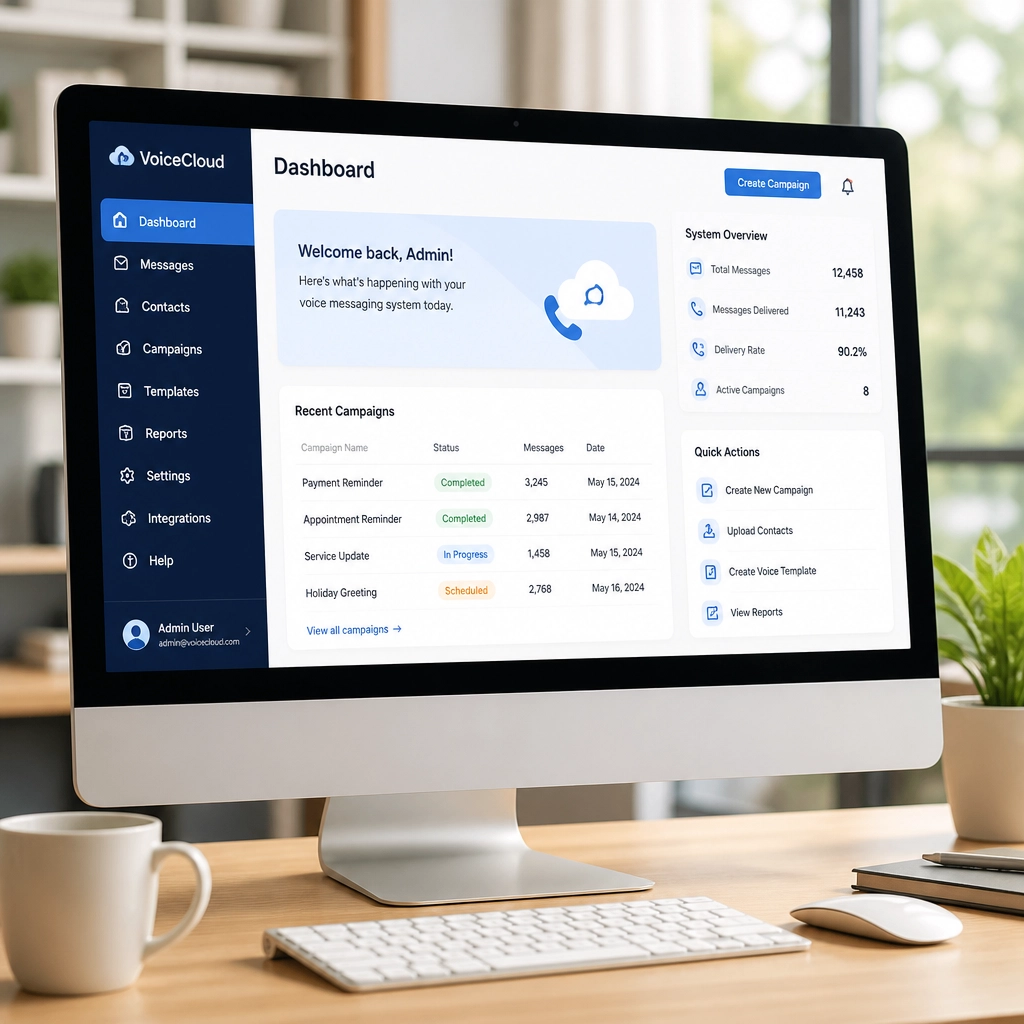
This article explains practical ways Voice Broadcasting and related tools can support campaign planning, customer notifications, appointment reminders, alerts, and follow-up communication.
Voice Broadcasting Overview
Organizations use voice broadcasting to send recorded voice messages to selected contact lists for reminders, announcements, alerts, promotions, appointment updates, and customer communication. Messages can be delivered to live answers, voicemail boxes, or answering machines depending on the campaign settings and contact response.
Voice Broadcasting Business Benefits
Voice broadcasting can help businesses communicate with customers, members, patients, voters, or prospects without manually placing every call. This can be useful for small businesses, service providers, political campaigns, healthcare offices, schools, and other organizations that need to deliver timely information to large contact groups.
- Faster message delivery: Recorded messages can be sent to large contact lists without requiring staff to place each call manually.
- Consistent communication: Every recipient hears the same approved message, which helps reduce communication errors.
- Better campaign visibility: Teams can review call activity, delivery results, and follow-up needs with clearer operational context.
How Businesses Use Voice Broadcasting
Voice broadcasting campaigns work best when they are tied to a specific communication goal. For example, a healthcare office may use voice messages for appointment reminders, a school may send emergency alerts, a political campaign may deliver voter outreach messages, and a service business may notify customers about schedule changes or upcoming appointments.
The strongest campaigns use clean contact lists, clear message scripts, responsible calling practices, and a defined next step for the recipient.
Voice Broadcasting Campaign Best Practices
Start with clean contact lists, clear campaign goals, and realistic pacing settings. Keep the message concise, identify the purpose of the call early, and include a simple next step when appropriate. Businesses should also review consent, opt-out handling, and applicable calling rules before sending automated voice campaigns.
Final Thoughts
Voice broadcasting can be a useful communication tool when businesses need to deliver timely voice messages to a targeted audience. The best results come from clear campaign planning, relevant contact lists, responsible messaging, and follow-up workflows that support the larger outreach strategy.